Iranian lawmakers push bill to exit NPT
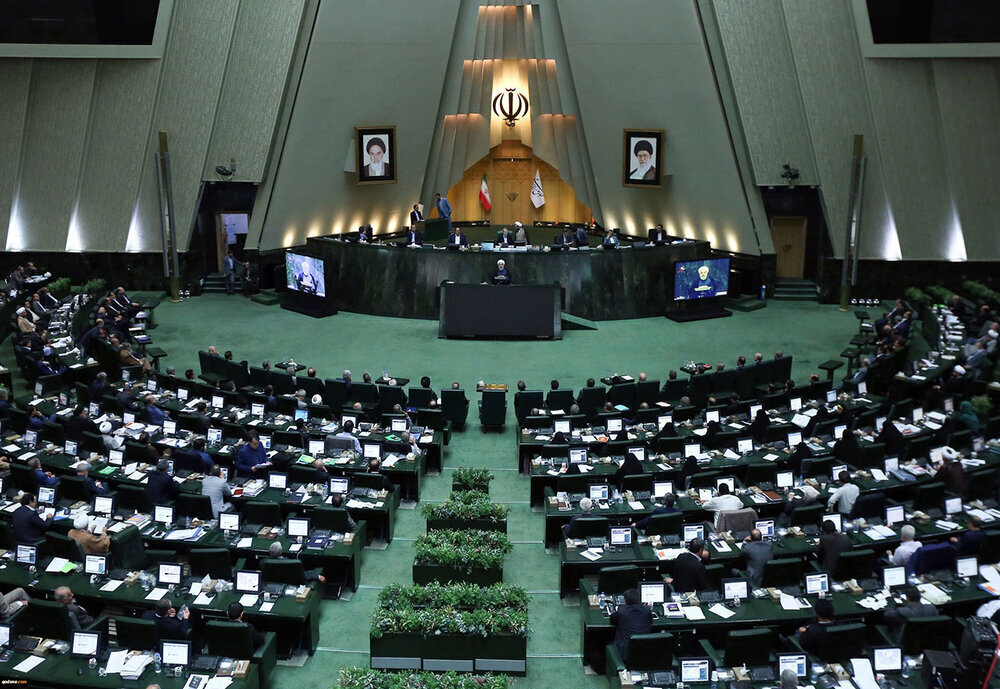
TEHRAN — A group of Iranian legislators has introduced an urgent parliamentary bill proposing a withdrawal from the Treaty on the Non-Proliferation of Nuclear Weapons (NPT), according to lawmakers involved in the effort.
The bill, designated as "triple-urgency" to fast-track its consideration, was submitted to the parliament's legal affairs office on Saturday, said Malek Shariati, a representative from Tehran.
In a post on the social media platform X, Shariati outlined the bill's three main provisions: declaring Iran's exit from the NPT; revoking a 2015 law that implemented the nuclear deal known as the Joint Comprehensive Plan of Action; and endorsing new international partnerships with aligned countries—such as members of the Shanghai Cooperation Organization and the BRICS bloc—for the development of peaceful nuclear technology.
Shariati pointed out that under Article 10 of the NPT, signatories have the right to withdraw if they determine that "extraordinary events, related to the subject matter of this treaty, have jeopardized the supreme interests of its country."
The push for an NPT exit comes in response to repeated U.S.-Israeli attacks on Iran's nuclear sites and an inability on the part of international nuclear bodies to condemn the illegal assaults or hold the two regimes accountable. Washington and Tel Aviv attacked Iranian nuclear sites in Natanz, Isfahan, and Fordow during their war against Iran in June 2025. During their ongoing war against the country, they have struck the Natanz facility once and fired projectiles at the vicinity of the Bushehr nuclear power plant in southern Iran at least three times.
Lawmakers pushing for an exit from the NPT say it is only a natural reaction to the failure of international safeguards to protect Iran's nuclear infrastructure.
"Continued membership in the NPT is meaningless," said Ebrahim Rezaei, a spokesman for the parliament's national security and foreign policy committee, in a separate post on X. "The NPT has brought us no benefit. It has neither protected our country from attacks by nuclear powers nor prevented repeated strikes on our nuclear facilities. International documents and agreements have been completely disregarded."
Rezaei said Iran's policy of not pursuing nuclear weapons remained unchanged. However, he pointed to recent comments by the director general of the International Atomic Energy Agency (IAEA), Rafael Grossi, who said in a recent interview with U.S. media that "no war can destroy Iran's nuclear capability unless it is a nuclear war." Rezaei called such remarks "provocative and dangerous."
He also drew a contrast with the United States, which has withdrawn from more than 60 international organizations and conventions in recent years. "If we decide to leave the NPT," he said, "why should we be met with surprise and opposition from the West?"
Deputy Foreign Minister Kazem Gharibabadi also criticized Grossi on X Friday, stating that Grossi "has not done anything useful about Iran so far, and on the contrary, he only makes the situation worse with his destructive statements every now and then."
Leave a Comment